Understanding the MV88 Microphone: Features and Benefits
The MV88 is a compact, mobile microphone designed specifically for iOS devices, offering audiophiles and casual users alike an exceptional sound quality experience. Portable and versatile, it's an ideal choice for musicians, podcasters, and content creators who need reliable audio capture on the go. One of its standout features is its compatibility with the Apple Lightning connector, seamlessly linking to iPhones and iPads. The MV88 elevates audio recording from the ordinary to professional quality, making it a popular choice in the realm of portable microphones. For more information on enhancing your audio equipment, you can explore the MV88.
Primary Features of the MV88
The MV88 microphone showcases a variety of impressive features that contribute to its acclaim:
- Compact Design: With its lightweight and compact build, the MV88 is designed for easy mobility, allowing you to record wherever inspiration strikes without the added burden of bulky equipment.
- Diverse Pickup Patterns: Featuring adjustable stereo pickup patterns (cardioid, bidirectional, and omnidirectional), users can customize audio capture to fit various recording environments and needs.
- App Integration: The ShurePlus MOTIV app enhances the functionality of the MV88, offering users advanced audio settings, including EQ controls and compression that refine sound quality further.
- High-Resolution Audio Capture: Capable of recording at a sample rate of up to 24-bit/48 kHz, the MV88 preserves the intricate details of any audio source, ensuring professional-quality recordings.
- Durability: Built to withstand the rigors of field recording, the MV88's robust construction offers a level of durability that can handle various environments.
Benefits for Audio Recording
The benefits of the MV88 extend beyond its features, offering tangible advantages for audio recording:
- Portability: Its compact size makes it easy to carry, providing quick access to quality audio recording without the need for bulky gear.
- Ease of Use: The plug-and-play design allows users to connect directly to their devices without the need for external equipment or complicated setups.
- Versatility: The ability to toggle between different stereo modes enables users to effectively record solo performances, interviews, and ambient sounds, expanding the microphone's usability.
- Improved Sound Quality: Users report enhanced audio clarity and richness compared to built-in smartphone microphones, making it an excellent choice for serious recording projects.
Comparing MV88 with Other Microphones
When stacked against other portable microphones, the MV88 holds its own thanks to its unique features and benefits. For example, compared to the popular Rode VideoMicro, the MV88 directly connects to mobile devices without requiring additional adapters. Additionally, its integration with the ShurePlus MOTIV app provides features that typically only appear in higher-end recording setups. While the Rode VideoMicro excels in providing directional audio capture, its larger design and reliance on a camera can limit its flexibility in comparison to the MV88’s mobile-first focus. In the realm of portable audio, the MV88 proves exceptionally adept for many recording scenarios, catching the eye of professionals and amateurs alike.
Setting Up the MV88 Microphone for Optimal Use
To maximize your experience with the MV88, understanding how to set it up correctly can significantly impact the quality of your recordings. Here we’ll explore essential considerations for setup that will refine your audio output further.
Choosing the Right Devices
The MV88 microphone is designed primarily for iOS devices, including iPhones and iPads. Ensure that your device is compatible with the microphone. Furthermore, invest in an updated model that supports Lightning connectors, as older devices with a 30-pin connection will need adapters that might not guarantee the best performance. It is also beneficial to run the latest version of iOS, as updates frequently include enhancements that improve app performance and connectivity with peripherals like the MV88.
Positioning the MV88 Microphone Properly
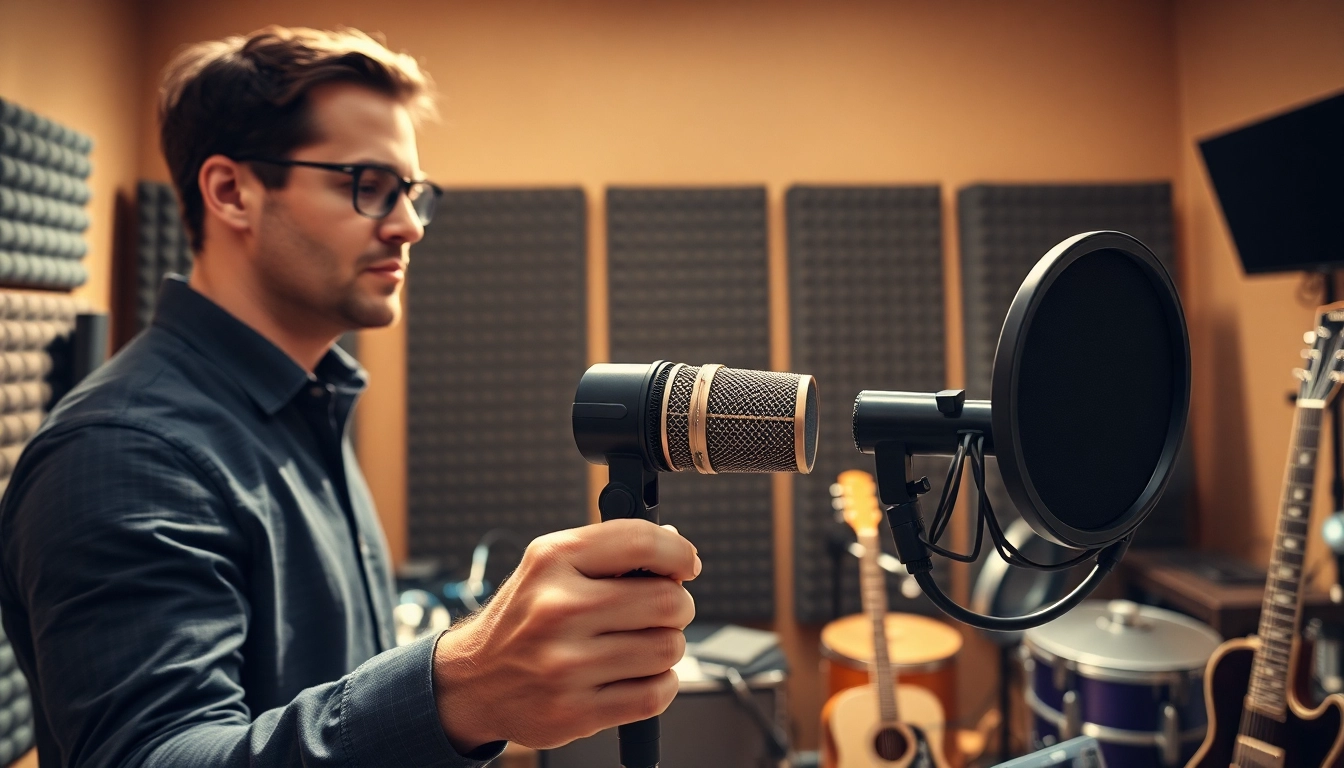
Positioning your MV88 effectively can enhance audio quality. The microphone includes a rotating head, enabling users to adjust it to capture the optimal sound from different sources. For musicians, positioning the microphone at a 90-degree angle to an acoustic guitar can extract the best tonal qualities, while positioning it directly in front of a vocal performer can yield clear, rich vocal recordings. Experimenting with positioning can uncover unique and refined audio captures, giving your recordings a professional touch.
Common Setup Mistakes to Avoid
To get the best results from your MV88, be wary of these common setup pitfalls:
- Ignoring Wind and Background Noise: When recording outdoors, failing to use a windscreen can result in wind noise overpowering the audio quality. Invest in a good-quality windscreen to mitigate these issues.
- Improper Gain Levels: Setting gain levels too high can lead to distortion, while too low settings can result in recordings that are too quiet. Utilize the ShurePlus MOTIV app’s visual feedback to find the sweet spot.
- Neglecting to Check the Battery: Although the MV88 draws power from the iOS device it’s connected to, ensuring your device’s battery is sufficiently charged is essential. Running low can affect performance.
Advanced Techniques for Using the MV88
For users looking to squeeze the most potential from their MV88, applying advanced recording techniques can take your sound to the next level.
Enhancing Sound Quality with Settings
The ShurePlus MOTIV app stands out by providing various settings to enhance audio quality. Familiarize yourself with the EQ settings, which allow you to adjust frequency ranges according to your recording environment; for instance, boosting low frequencies can add warmth, while cutting high frequencies can reduce sibilance. Other features include built-in compression to smooth dynamic ranges and a limiter to prevent clipping during loud performances. Using these controls thoughtfully can dramatically elevate your recording quality.
Using the MV88 for Different Recording Situations
The versatility of the MV88 extends to various recording situations:
- Interviews: The microphone's bidirectional option allows for clear, dual recording, making it ideal for interviews and discussions, where audio clarity and balance are paramount.
- Field Recording: For field recordings, leverage the omnidirectional setting to capture ambient sounds effectively, whether it's the hustle and bustle of a city or the tranquility of nature.
- Live Performances: The cardioid setting adds focus to a solo performance, ensuring that the sound remains crisp and intact amidst potential ambient distractions.
Incorporating Accessories for Better Performance
To further bolster your MV88 experience, consider adding accessories that enhance functionality:
- Windscreens: Lightweight and effective, windshields help minimize wind interference during outdoor recordings.
- Microphone Stands: Mounting the MV88 on a stand allows for stable, hands-free recording, particularly valuable during music sessions.
- Cables: Long or spare Lightning cables give you the flexibility to position the microphone away from devices, especially in crowded setups or for distance recording.
Maintenance Tips for Your MV88 Microphone
Preserving your MV88 microphone's performance hinges on routine maintenance. Here are essential tips to keep your microphone operating at its best.
Cleaning and Care Procedures
Routine cleaning helps maintain sound quality. Use a soft, dry cloth to wipe the microphone’s exterior and avoid using harsh chemicals that could damage the components. Ensure that the microphone grille is free of dust or debris, which can alter sound capture. If you notice any obstruction, using a gentle brush or compressed air can safely remove particulate matter without affecting the device.
When to Replace Components
The MV88 is designed for durability; however, keep an eye out for signs of wear and tear. If the microphone grille becomes damaged, this could impact sound quality. Consider replacing it to maintain performance. Also, monitor the Lightning connector for wear; ensure it remains tight and firm when plugged into a device. Regularly examine all cables for frays or breaks, as these can lead to connectivity issues.
Protecting Your Microphone During Use
Preventing physical damage to your MV88 is crucial for longevity. Always store your microphone in a protective case when not in use and avoid exposing it to extreme temperatures or humidity. Additionally, being mindful of your surroundings—such as using a shock mount for dynamic recording environments—can shield it from vibrations or falls that could damage it.
Real-World Applications of the MV88 Microphone
With a myriad of applications, the MV88 has garnered attention across multiple industries. Let’s delve into how this microphone excels in various scenarios.
Music Recording and Production
For musicians, the MV88 is an invaluable tool. Whether you’re recording vocals, acoustic instruments, or full band sessions, its variable settings can adapt to numerous situations. Many artists utilize the microphone for home studios, enabling them to achieve professional-quality recordings without expensive equipment. Users find that the MV88's detailed audio capture allows for easy layering and mixing in post-production, making it an essential part of their setup.
Podcasting with the MV88
Podcasting has surged in popularity, and the MV88 supports this wave by providing high-fidelity audio recording. It fits seamlessly into portable recording kits, enabling podcasters to capture interviews or discussions on-location without sacrificing sound quality. Its directional capabilities assist in focusing on speakers, minimizing background noise and distractions—key factors for engaging podcast production.
Field Recording Scenarios
Field recording is another area where the MV88 shines. Environmental sounds, interviews conducted in varied locations, or even live performances can be captured with clarity and depth, showcasing the microphone’s adaptability. Users engage not only in naturalistic soundscapes but also in creative projects requiring ambient noise capture for multimedia projects. Its compact size ensures that the MV88 easily travels to remote locations, making high-quality audio accessible wherever you go.
Whether you're a musician, a podcaster, or simply an audio enthusiast, the MV88 microphone presents vast opportunities for capturing rich and detailed sound. By considering its features, setup methods, maintenance practices, and real-world applications, users can fully harness this device's potential for producing outstanding audio recordings.