Understanding Home Appliances and Their Importance
Defining Home Appliances
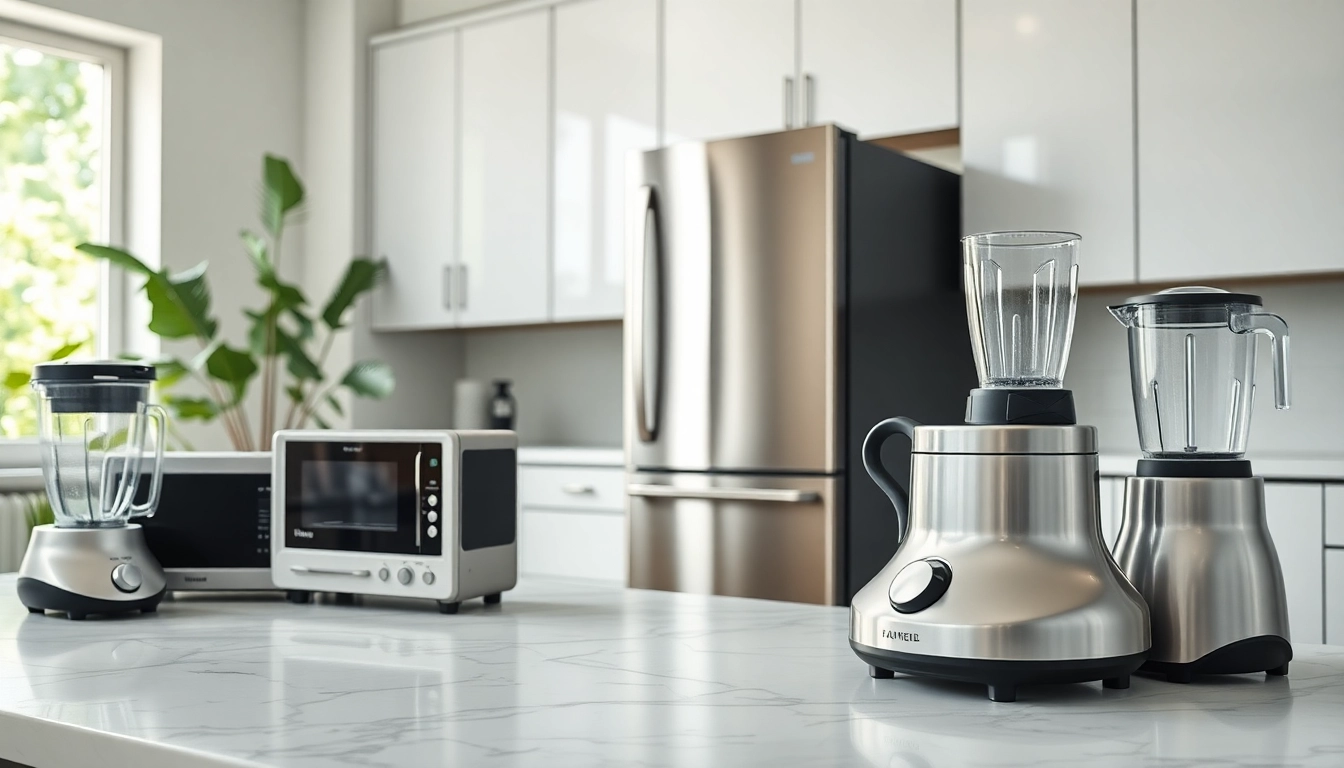
Home appliances are essential devices designed to perform specific household tasks efficiently. These appliances can range from large machines like refrigerators and ovens to smaller gadgets such as toasters and blenders. Each type serves a unique purpose, enhancing the convenience and functionality of our daily lives. When selecting home appliances, it is crucial to consider factors like energy efficiency, cost, and the specific needs of your household.
Benefits of Using Home Appliances
The integration of home appliances into daily routines brings numerous benefits. The most notable advantages include time savings, increased efficiency, and improved quality of life. With appliances handling chores such as cooking, cleaning, and food preservation, families can reclaim valuable time for relaxation and activities that matter. Furthermore, modern appliances are designed to perform tasks with precision, minimizing waste and energy consumption, particularly models with high energy efficiency ratings.
How Home Appliances Enhance Daily Life
Home appliances significantly enhance our daily lives by automating tedious tasks, making them quicker and easier. For example, dishwashers reduce the time spent cleaning up after meals, while washing machines alleviate the burden of laundry. Moreover, appliances like air conditioners and heaters contribute to a comfortable living environment, allowing residents to enjoy indoor leisure regardless of outdoor weather conditions. Overall, these enhancements lead to a more luxurious and stress-free lifestyle.
Types of Home Appliances
Major Kitchen Appliances
Major kitchen appliances include essential devices that often form the backbone of cooking and food preparation. Key examples are refrigerators, ovens, and dishwashers. Refrigerators preserve food by maintaining a low temperature, ensuring freshness and reducing spoilage. Ovens provide the means to cook and bake a wide variety of dishes, while dishwashers streamline the clean-up process, allowing for easy maintenance after meals.
Small Kitchen Appliances
Small kitchen appliances are versatile tools that make cooking, baking, and food preparation more efficient. Common examples include blenders, coffee makers, toasters, and food processors. These appliances are designed for specific tasks but can greatly enhance the versatility of any kitchen. For instance, a food processor can chop, slice, and puree ingredients quickly, reducing manual food prep time significantly.
Home Comfort Appliances
Home comfort appliances focus primarily on enhancing the living environment of a home. This category includes air conditioners, heaters, humidifiers, and dehumidifiers, which work collectively to regulate indoor climate. Maintaining an ambient temperature and humidity level ensures comfort for residents and helps prevent issues such as mold growth or heat-related illnesses during extreme weather conditions.
Choosing the Right Home Appliances for Your Needs
Factors to Consider When Selecting Appliances
Choosing the right home appliances requires careful consideration of factors such as size, functionality, energy efficiency, and budget. Understanding the space available in your home is crucial; appliances should fit comfortably without hindering movement. Additionally, prioritizing energy-efficient models can lead to significant savings on utility bills over time, while the functionality must suit your lifestyle and cooking habits.
Energy Efficiency Ratings Explained
Energy efficiency ratings provide crucial information about an appliance's power consumption relative to its performance. Look for appliances with the ENERGY STAR label, which indicates that they meet rigorous energy efficiency guidelines set by the EPA. Appliances with high ratings are designed to reduce energy use, ultimately benefiting the environment while saving homeowners money on utility costs.
Budgeting for Home Appliances
Budgeting is an essential part of acquiring home appliances. It’s important to account for both the purchase price and potential long-term operating costs. While it might be tempting to choose the cheapest option available, considering the quality and efficiency can prevent future expenses related to repairs or high energy bills. In general, a higher initial investment in a quality appliance can lead to substantial savings over time.
Maintenance and Care for Home Appliances
Best Practices for Appliance Maintenance
Proper maintenance ensures that home appliances operate efficiently and have a prolonged lifespan. Regular cleaning, following the manufacturer's instructions, and performing periodic checks on electrical connections and hoses are key practices. For instance, cleaning refrigerator coils and dishwasher filters can enhance efficiency and preserve food quality.
Common Troubleshooting Tips
Homeowners often encounter common issues with appliances that can often be resolved with minor adjustments. For instance, a refrigerator not cooling may simply require a temperature adjustment or coil cleaning. Similarly, a washing machine may not drain due to a clogged hose. Understanding basic troubleshooting techniques can save time and money before seeking professional help.
When to Call a Professional
While many appliance issues can be resolved with DIY troubleshooting, certain problems require professional assistance. Signs that it’s time to call an expert include persistent error codes, unusual noises, or frequent breakdowns. It is vital to address these issues promptly, as they could signal underlying problems that may worsen if left unattended.
Future Trends in Home Appliances
Smart Home Appliances Overview
Smart home appliances have gained immense popularity, offering connectivity features that allow users to control devices remotely via smartphones or voice-activated assistants. This technology not only offers convenience but can also help optimize energy consumption. Users can schedule appliance use during off-peak hours or monitor energy usage in real time, leading to cost savings and a reduced carbon footprint.
Eco-Friendly Appliance Innovations
As environmental awareness grows, manufacturers are focusing on eco-friendly innovations that minimize resource use. Energy-efficient appliances help reduce energy consumption, while water-saving technology in dishwashers and washing machines contributes to sustainable living. The adoption of sustainable materials in appliance manufacturing is also becoming increasingly prevalent, paving the way for environmentally responsible consumer choices.
Consumer Trends Shaping Home Appliances
Consumer preferences are constantly evolving, influencing the design and functionality of home appliances. Emerging trends include personalized features, compact appliances for smaller living spaces, and multifunctional devices that combine various functionalities into one unit. Manufacturers are increasingly responding to the desire for convenience and versatility, creating appliances that align with modern lifestyles.
Frequently Asked Questions
1. What are home appliances?
Home appliances are devices that assist with household tasks, improving efficiency in cooking, cleaning, and comfort.
2. How do I choose the right home appliance?
Consider factors like size, functionality, energy efficiency, and budget when selecting home appliances for your needs.
3. Why are energy efficiency ratings important?
Energy efficiency ratings help identify appliances that consume less energy, saving money on utility bills and benefiting the environment.
4. How can I maintain my home appliances?
Regular cleaning, following manufacturer instructions, and periodic checks on components can help maintain appliance efficiency and lifespan.
5. When should I call a professional for appliance issues?
Call a professional if you notice persistent error codes, unusual noises, or frequent breakdowns that require expert diagnosis.