
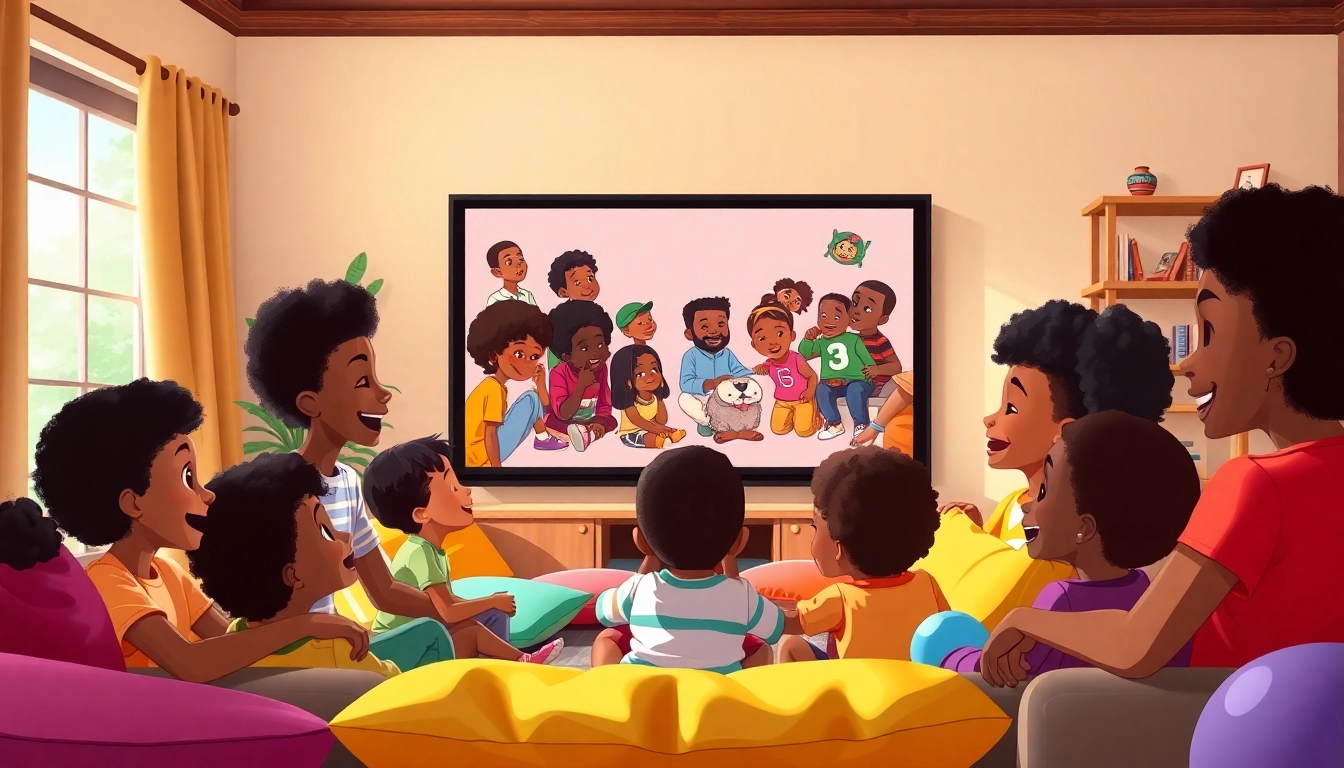
A Rich History of African American Cartoons
In the realm of animation, African American cartoons have carved a unique niche, serving not just as entertainment but also as cultural reflections and educational tools. These animations depict rich narratives that resonate with many, showcasing the complexities of identity, heritage, and humor. They are more than just cartoons; they are a celebration of culture, creativity, and innovation. When exploring options, African American Cartoons provide comprehensive insights that enrich the viewing experience.
1. Evolution of Representation in Animation
The journey of African American representation in animation began with limited visibility and often negative stereotypes in the early 20th century. Early animations, such as those found in minstrelsy, inherently propagated damaging racial stereotypes. However, the tides began to shift in the late 20th century as more creators emerged who sought to tell authentic stories from African American perspectives.
As the industry evolved, programs like "Fat Albert and the Cosby Kids" introduced audiences to characters that were relatable and complex, highlighting the challenges and triumphs within African American communities. By the 90s, shows like "The Proud Family" and "The Boondocks" further explored themes of identity, offering rich social commentary while appealing to younger audiences.
2. Key Milestones in African American Cartoons
Several key milestones mark the progress of African American cartoons. In 1940, the groundbreaking film "Cabin in the Sky" showcased an all-Black cast in an animated format, signaling the potential for inclusion within the animation industry. The late 90s and early 2000s saw a surge in African American-led cartoons, with "The Proud Family" becoming a significant milestone for representation.
More recently, shows like "Craig of the Creek" have continued this trend, integrating diverse characters and storytelling methods that resonate with today's audiences. Such series not only entertain but also educate by addressing issues such as friendship, community, and culture.
3. Impact of Cultural Narratives on Animation
The narratives within African American cartoons often reflect broader societal themes, offering commentary on race, identity, and culture. These shows utilize humor, satire, and storytelling to engage audiences while prompting discussions about societal norms and expectations.
The impact of these narratives extends beyond entertainment; they foster a deeper understanding of the African American experience and contribute to a more inclusive media landscape. As a result, younger viewers can see themselves represented, cultivating a sense of pride and belonging.
Top African American Cartoons to Watch in 2026
As we step into a new era of animation, several African American cartoons are gaining traction and recognition. These programs not only entertain but also serve as a catalyst for cultural dialogue and understanding. Viewers can expect a mix of nostalgia and innovation in upcoming releases.
1. Trending Series You Can't Miss
One of the standout series currently trending is "Young Justice," which features an ensemble of diverse characters, including many of African descent. The show is known for its mature themes and complex character development, appealing to both younger and older audiences.
Another notable mention is "The Proud Family: Louder and Prouder," a reboot of the beloved classic. This series addresses contemporary issues relevant to today's youth while maintaining the charm and humor that made the original so popular.
2. Classic Shows That Shaped Our Youth
Classic shows like "Static Shock" and "The Boondocks" have left an indelible mark on animation. "Static Shock," which aired in the early 2000s, broke ground with its portrayal of a young African American superhero tackling real-world issues such as gang violence and discrimination.
"The Boondocks," on the other hand, utilized sharp humor and social commentary to critique societal norms while providing a lens into African American life. These shows remain relevant as they continue to resonate with audiences today.
3. Upcoming Releases and Premieres
Looking ahead, audiences can anticipate the release of several promising animated series featuring African American characters. "Motown Magic," aimed at younger viewers, combines educational elements with enchanting storytelling, making it a delightful watch for families.
Additionally, "Tuca & Bertie," while not exclusively African American, includes a diverse interactive cast that encompasses various cultural backgrounds, reflecting the evolving landscape of animation.
Understanding Characters: The Icons of African American Cartoons
Characters in African American cartoons often embody the cultural values and narratives of the communities they represent. From familial bonds to cultural pride, these characters serve as role models and mirrors for young viewers.
1. Analysis of Beloved Characters and Their Stories
Characters like Huey and Riley Freeman from "The Boondocks" offer distinct perspectives on social issues. Huey's strong moral compass and Riley's carefree nature contrast sharply, providing a nuanced look at youth and activism. Each character's storyline is crafted to reflect and challenge societal norms, encouraging critical thinking among viewers.
Similarly, Penny Proud from "The Proud Family" navigates adolescence with humor and grace, tackling issues of self-identity while celebrating her heritage. These characters are relatable, allowing audiences to connect with them on a personal level.
2. The Role of Humor and Social Commentary
Humor is a powerful tool in African American cartoons, often used to address serious subject matter in a digestible manner. Shows like "The Boondocks" and "Black Dynamite" utilize satire to critique systemic injustices while engaging their audience in thought-provoking content.
This comedic approach not only entertains but also educates, prompting viewers to consider their beliefs and biases. The clever blending of humor with social commentary makes these cartoons unique and impactful.
3. Representation of Values and Culture
Representation matters deeply in animation, and African American cartoons often highlight the importance of family, community, and cultural heritage. Programs like "Doc McStuffins" reflect values such as kindness, empathy, and the significance of community support.
This emphasis on positive values serves to cultivate character development in young viewers, reinforcing the notion that their cultural identity is something to be proud of.
The Influence of African American Cartoons on Society
The influence of African American cartoons extends far beyond the screen, shaping societal perceptions of race, culture, and identity. These animations play a significant role in educating audiences and fostering important conversations regarding race relations.
1. Educational Insights Gleaned from Cartoons
Many African American cartoons incorporate educational content, helping young viewers to learn about important historical figures and cultural milestones. For instance, "Motown Magic" offers a creative approach to teaching children about the legacy of Motown music while encouraging creativity and expression.
The inclusion of such educational narratives ensures that these cartoons serve as a platform for learning, promoting a more informed society.
2. Fostering Conversations about Race and Identity
Cartoons featuring African American characters often address critical discussions surrounding race and identity. By presenting relatable situations and authentic narratives, these shows encourage audiences to engage in meaningful dialogues regarding their own identities and experiences.
This dialogue facilitates understanding and empathy among varied cultural backgrounds, vital for fostering a more inclusive society.
3. The Role of Cartoons in Shaping Perceptions
By depicting authentic and diverse characters, African American cartoons play a crucial part in shaping societal perceptions of race and culture. They challenge stereotypes and promote positive representations that resonate with both children and adults alike.
This shift in representation can significantly influence the way audiences, particularly young viewers, perceive themselves and others, contributing to a more equitable understanding of diversity.
Future Trends in African American Animation
The future of African American animation looks promising, with emerging trends that are shaping the way stories are told and characters are developed. As technology and storytelling techniques evolve, so too will the narratives featured in these cartoons.
1. Predictions for Animation Styles in 2026
In the coming years, expect to see an increase in diverse animation styles, incorporating mixed media and innovative techniques. Artists will likely experiment with visual storytelling, blending traditional animation with digital techniques to create unique viewing experiences.
This fusion of styles can enhance storytelling, making it more engaging and relatable to a broad audience.
2. The Rise of Streaming Services and Their Impact
The rise of streaming services has changed the landscape of animation, providing platforms for independent creators and diverse stories. Platforms like Netflix and Hulu are investing in original content featuring African American characters, amplifying voices that were previously marginalized in mainstream media.
This shift not only fosters innovation but also allows for a broader range of narratives that capture the complexity of the African American experience.
3. Innovations in Storytelling and Character Development
Future African American cartoons are expected to delve deeper into character development and storytelling, focusing on multi-dimensional characters that reflect the diversity of human experiences. Complex story arcs and relatable life situations will become hallmarks of these animations, offering viewers more than mere entertainment.
Through innovative storytelling techniques, future cartoons will challenge conventions and elevate African American narratives, ensuring they remain relevant and impactful.