Understanding the Role of a Manhattan General Contractor
Defining the General Contractor's Responsibilities
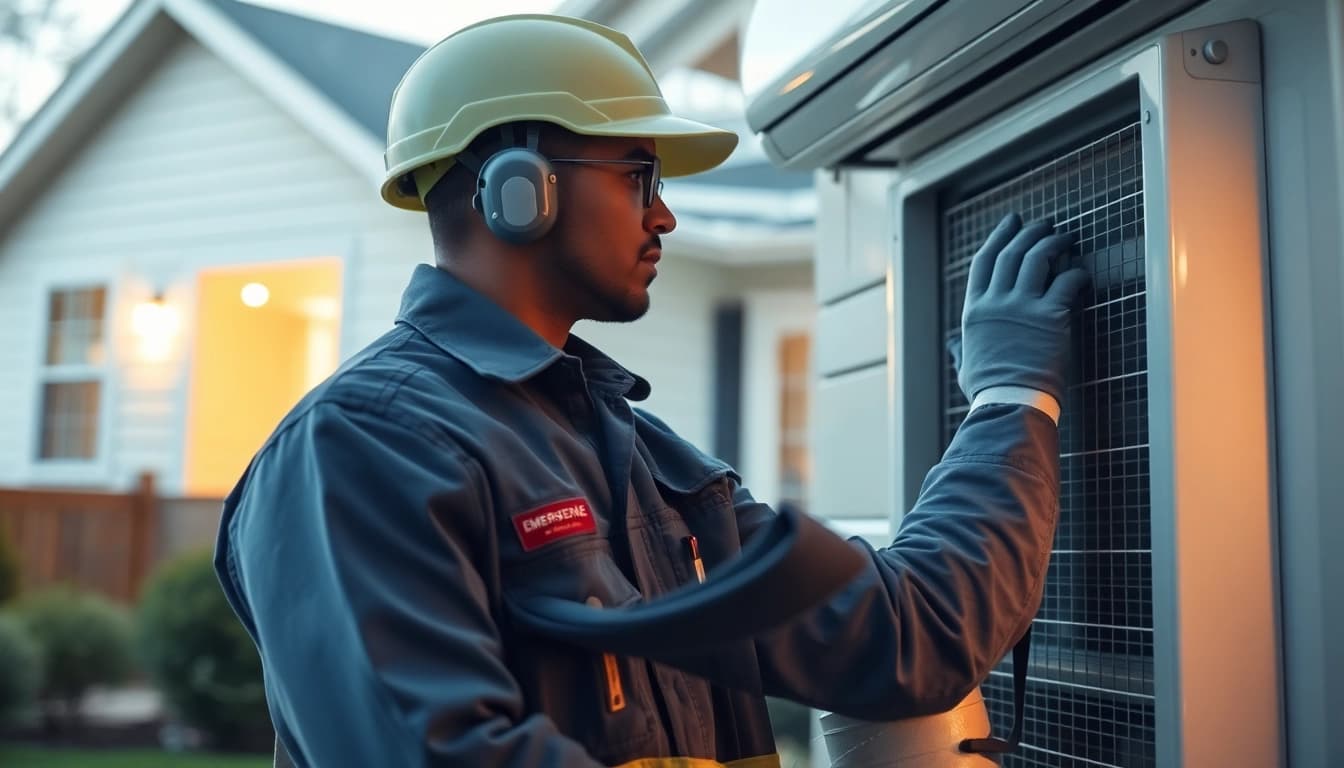
A Manhattan General Contractor plays a pivotal role in the construction ecosystem, serving as the lynchpin between the project owner and the various trades involved in building projects. Their responsibilities extend far beyond merely overseeing construction activities. A general contractor is tasked with managing timelines, overseeing subcontractors, and ensuring that the project adheres to safety regulations and quality standards. This involves coordinating every aspect of the construction process, including scheduling, budgeting, procurement of materials, and staff management. In essence, they are the project managers who ensure that the construction process runs smoothly from inception to completion.
The Importance of Licenses and Registrations
Licensing is crucial for any general contractor, particularly in a densely populated and regulated area like Manhattan. Most states mandate that general contractors be licensed to operate legally, as this demonstrates competency and compliance with local building codes and zoning laws. In Manhattan, a contractor must possess specific registrations, including a business license and possibly additional permits for certain types of construction work. These licenses serve as proof of the contractor's qualifications and the fact that they adhere to safety and regulatory standards. Failure to acquire the necessary licenses can result in legal issues, project delays, and financial liabilities.
Details on General Contractor Regulations in Manhattan
Construction regulations in Manhattan are stringent due to the urban environment's complexity and safety considerations. Specific rules addressing building heights, environmental impact, and labor laws impact how general contractors operate. For example, certain neighborhoods may have restrictions based on historical preservation guidelines. Understanding and navigating these regulations is fundamental for general contractors, as non-compliance can lead to severe penalties or project halts. Contractors must stay updated with changes in policies to ensure adherence to local, state, and federal laws, including the Building Code of New York City.
Evaluating Potential Manhattan General Contractors
Key Questions to Ask During Your Search
Choosing the right general contractor can significantly influence the success of a renovation or construction project. To optimize your search, prepare a list of crucial questions to assess potential candidates. Start with inquiries about their experience with similar projects, which will help gauge their familiarity with the specific challenges your project may present. Additionally, ask about their staff's qualifications, turnaround times for various tasks, and how they handle subcontractors. It's essential to understand their communication style and procedures for addressing problems as they arise.
Assessing Experience and Previous Work
Experience is a critical factor when selecting a Manhattan General Contractor. Look for contractors who have successfully completed projects similar in scale and style to yours. A solid portfolio demonstrates both the variety and quality of work. Request to see case studies or references that highlight the contractor's ability to manage challenges and deliver projects on time and within budget. This assessment phase provides invaluable insight into the contractor's reliability and craftsmanship.
Checking References and Reviews Effectively
Once you shortlist potential contractors, take the time to conduct thorough reference checks. Speak to previous clients about their experiences, focusing on aspects such as communication, project management, and overall satisfaction with the finished work. Online reviews on platforms like Google and Yelp can also provide perspectives from a broader audience; however, they should be approached with some caution given the potential for bias. Look for patterns in the feedback, both positive and negative, to form a more rounded picture of each contractor’s capabilities.
Understanding Costs Associated with a Manhattan General Contractor
How to Budget for Your Project
Effective budgeting for a construction project requires a detailed understanding of potential costs, including materials, labor, permits, and contingencies. It is advisable to establish a budget early on and discuss it with your contractor. The budget should include a contingency fund, typically around 10-20% of the total project cost, to accommodate unforeseen expenses. Collaborating closely with your contractor to create a realistic budget can help mitigate financial surprises during the project's lifecycle.
Hidden Costs to Watch Out For
As evident as it might seem, many homeowners underestimate the numerous hidden costs that can surface during construction, especially in Manhattan. Costs related to site preparation, unforeseen structural issues, and compliance with zoning regulations can arise unexpectedly. It's essential to anticipate these potential hidden costs by discussing them openly with your contractor. They should provide transparency regarding the likelihood of additional expenses and the factors that could contribute to them.
Comparing Quotes Transparently
When selecting a general contractor, obtaining multiple quotes can be beneficial. However, it’s important to look beyond the bottom line. Analyze the details of each quote, as the cheapest option may not always be the best. Contractors may vary in their proposed timelines, methods of procurement, and material quality. Engage in discussions about the distinctions between their approaches and ensure that the quotes encompass the same scope of work to facilitate a fair comparison.
Building a Successful Relationship with Your General Contractor
Establishing Clear Communication Channels
Open communication is essential for a successful partnership with your contractor. Establishing clear communication channels from the outset sets the tone for the project. Schedule regular check-ins, whether in person or virtually, to discuss progress, address concerns, and make necessary adjustments to the plan. Utilizing digital tools for project management can foster transparency and ensure that everyone is on the same page throughout the construction process.
Setting Expectations from the Start
Setting realistic expectations is vital for a smooth partnership. Clearly articulate your vision, budget constraints, and timeline to your contractor right from the start. Define the scope of work, the level of involvement you expect from them, and their responsibilities. A mutual understanding of project goals helps prevent misunderstandings and dissatisfaction as work progresses. Ensure that both parties agree to the project management style and cadence of the updates provided.
Managing Changes and Challenges During the Project
Change is an inevitable part of any construction project; thus, it’s essential to have strategies in place for managing alterations and responding to challenges. Discuss how your contractor handles change orders and any associated costs beforehand. Establish protocols for addressing unexpected issues that may arise. Effective conflict resolution methods and adaptable planning can significantly mitigate stress and keep your project on track.
Common Issues and How to Avoid Them with a Manhattan General Contractor
Identifying Red Flags in Contractor Performance
While many contractors are reputable and dependable, some may exhibit red flags during the project. Watch out for a lack of clear communication, missed deadlines, and failure to provide detailed documentation. If your contractor is frequently unavailable or avoids discussing concerns, it may indicate deeper issues. Maintaining vigilance and addressing grievances quickly is critical to ensuring a successful partnership.
Strategies for Resolving Conflicts Quickly
When conflicts arise, responding promptly and calmly can prevent escalation. Always approach disputes as collaborative problem-solving opportunities. Document instances clearly and refer back to the original contract terms. If formal resolution methods are needed, consider mediation as a less combative alternative to legal action. Effective communication and a willingness to compromise can help maintain a healthy working relationship.
Ensuring Quality and Timeliness in Deliverables
Quality control should be a top priority throughout the construction process. Establish criteria for acceptable workmanship and request regular updates on progress. Inspect work as it is completed and before new phases begin to ensure everything aligns with the original specifications. Timeliness can be as crucial as quality, so maintaining a watchful eye on project milestones will help keep everything on schedule.
Frequently Asked Questions
What should I look for in a Manhattan general contractor?
Look for strong experience in your project type, relevant licenses, a good reputation, and positive references. Assess their communication style and project management approach to ensure compatibility.
How do I prepare for meeting with a general contractor?
Prepare by compiling project details, budget estimates, and specific goals. Propose a timeline and be ready to discuss your expectations and concerns to ensure a productive dialogue.
Are there any disadvantages to hiring a general contractor?
While hiring a general contractor can streamline projects, it may come with higher costs than DIY approaches. Additionally, finding a trustworthy contractor can be time-consuming and challenging.
How do I know if a contractor is reputable?
Research their history, read customer reviews, check their licenses, and ask for references from past clients. A reputable contractor will be transparent about their work and maintain open communication.
What should I do if I encounter issues during construction?
Address issues immediately by discussing them with your contractor. Documentation is key, and if problems persist, consider involving a mediator or reviewing your contract for solutions.