The Importance of Education in Today’s Society
Education serves as the cornerstone of individual and societal development, acting as a gateway to opportunity and empowerment. In an ever-evolving world, the role of education is more critical than ever, not only in shaping knowledgeable, skilled individuals but also in fostering social equity and justice. Dr. Matthew Lynch, an advocate for education reform, emphasizes the need to reassess and innovate our educational systems to ensure access and quality for all. For insights into current trends and future directions in this vital field, exploring education is essential.
Understanding Education Equity and Access
Education equity is about ensuring that all students have access to the resources they need to succeed, regardless of their socioeconomic background. In many regions, disparities remain stark, with underfunded schools and limited resources disproportionately affecting marginalized communities. The push for education equity requires systemic changes that prioritize the needs of every learner, including efforts to close achievement gaps and invest in infrastructure.
Equity in education extends beyond simply providing equal resources; it involves creating culturally responsive curricula, diversifying teaching staff, and fostering inclusive environments that celebrate diversity. Programs aimed at uplifting underrepresented groups can be instrumental in promoting equity and can significantly impact student outcomes.
The Role of Innovation in Modern Education
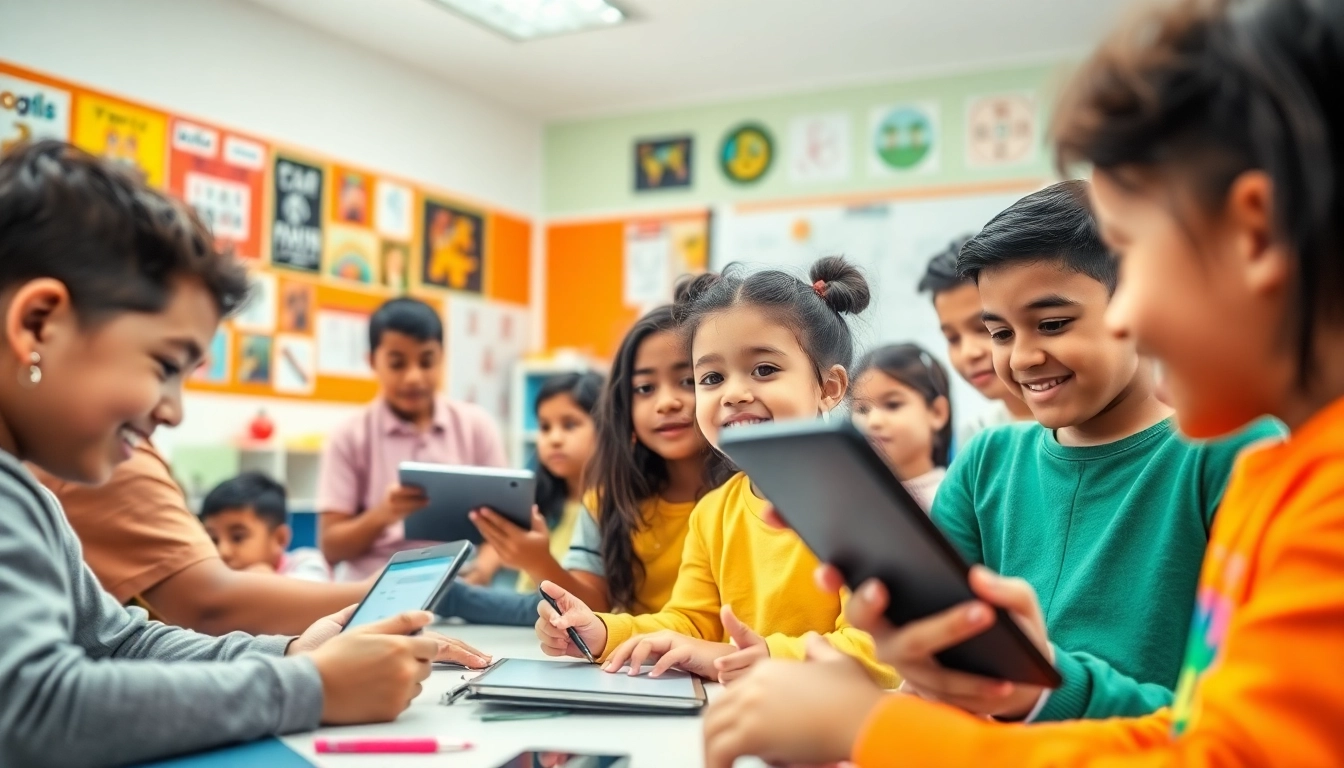
Innovation is crucial in overcoming the challenges posed by traditional educational models. Integrating technology into the classroom not only enhances learning but also prepares students for an increasingly digital world. Innovations such as blended learning environments, online resources, and gamified education are transforming how students engage with materials and concepts.
Moreover, adaptive learning technologies can tailor educational experiences to individual student needs, allowing for personalized pathways that respect diverse learning styles. This innovative approach helps educators identify student strengths and weaknesses more effectively and adjust instruction accordingly.
Addressing Common Misconceptions About Education
Despite the widespread acknowledgment of education's importance, several misconceptions persist. One common belief is that education is solely about acquiring knowledge in a classroom setting. However, education encompasses a broad spectrum of experiences, including social and emotional learning, which are equally vital for developing well-rounded individuals. Another misconception is that standardized testing is the best measure of educational success, when in fact, it often fails to capture the full range of a student’s abilities and potential.
Current Trends in Education for 2026
Technological Advancements Shaping Education
As we progress into 2026, technological advancements continue to drive educational reform. From virtual and augmented reality that immerse students in experiential learning, to artificial intelligence that aids teachers in understanding student progression, technology is reshaping the educational landscape. The rise of remote learning platforms has also democratized access to quality education, allowing students from anywhere to engage with top educators and resources.
Collaborative and Community-Based Learning Approaches
Community involvement in education is gaining traction, with collaborative learning approaches becoming more prevalent. Schools that partner with local businesses and organizations provide students with hands-on experiences that enhance learning while also fostering community ties. Such initiatives promote civic responsibility and prepare students to become active, engaged citizens.
Critical Skills for Future Generations
As the job market evolves, so too must the skills we teach. Critical thinking, creativity, emotional intelligence, and digital literacy are increasingly essential for success in the 21st century. Educational systems must adapt to prioritize these skills, integrating them into curriculums at all levels. This shift will ensure that students are not just passive recipients of information but proactive problem solvers ready to tackle real-world challenges.
Challenges Facing the Education Sector
Barriers to Effective Education Reform
While the call for educational reform is strong, numerous barriers persist. Bureaucratic inertia, a lack of funding, and resistance to change from traditionalists can hinder progress. Often, reform initiatives are met with skepticism, particularly when they challenge established practices. To overcome these obstacles, advocacy and collaboration between stakeholders—educators, policymakers, and communities—are crucial.
Addressing Inequities in Education Access
Inequities in education access continue to be a pressing challenge. Students in low-income areas often lack access to essential resources, such as updated technology, experienced teachers, and comprehensive support services. Addressing these disparities requires targeted funding and innovative policy solutions that prioritize the needs of the most vulnerable populations.
Resistance to Innovation in Traditional Teaching Methods
Innovation in education often faces resistance from those who favor traditional teaching methods. This resistance can stem from a desire to maintain control or a lack of understanding of new approaches. Educators must be supported through professional development that encourages exploration of innovative teaching methods, allowing them to embrace new strategies that enhance student engagement and learning.
Best Practices for Effective Education Reform
Implementing Inclusive Teaching Strategies
Inclusive teaching strategies are fundamental in creating equitable classrooms. Educators should be trained to recognize and accommodate diverse learning needs, employing differentiated instruction and culturally relevant pedagogy. By fostering an inclusive environment, teachers can ensure that all students feel valued and engaged in the learning process.
Integrating Technology for Enhanced Learning
During education reform, it is essential to integrate technology effectively into the curriculum. This includes not just using technology for its own sake, but ensuring it serves specific educational goals. Training staff in how to utilize digital tools to enhance learning can make a significant difference in student outcomes, encouraging both collaboration and creativity.
Engaging Parents and Communities in Education
Parental and community involvement is vital for successful education reform. Schools should strive to build strong partnerships with families, promoting engagement through workshops, meetings, and community events. These connections support student learning and achievement while creating a network of support that reinforces educational goals.
Future Predictions and Trends in Education
The Rise of Personalized Learning Experiences
The future of education lies in personalization. With advancements in technology, the ability to tailor educational experiences to individual learning styles and paces will become more achievable. Personalized learning pathways not only cater to the unique needs of each student but can also lead to greater motivation and engagement in the learning process.
Education’s Role in Promoting Social Justice
As society becomes more aware of social justice issues, education has a crucial role to play in creating informed and empathetic citizens. Curriculums that incorporate discussions around equity and justice can empower students to become advocates for change in their communities. By fostering critical consciousness, education can challenge systemic inequalities and promote positive societal transformations.
Embracing Global Education Initiatives for Growth
In an interconnected world, embracing global education initiatives is essential for growth and understanding. Programs that promote cross-cultural exchanges and collaborations can enhance the educational experience, preparing students for a globalized workforce. Such initiatives also encourage students to recognize their place within the global community, fostering responsible citizenship and global awareness.