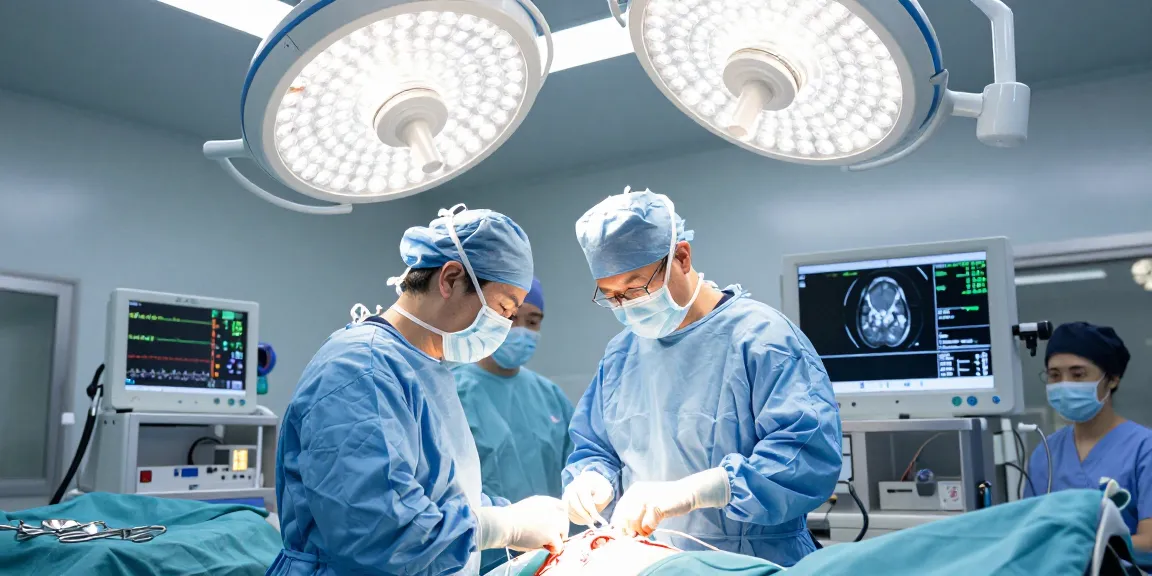
Understanding Brain Tumors
Brain tumors represent a significant medical challenge, affecting individuals of all ages, genders, and backgrounds. Understanding the nature of these tumors, including their types, symptoms, and the diagnostic process, is crucial for patients and their families. This article aims to provide comprehensive insights into the world of brain tumors and the associated surgical procedures, particularly focusing on beyin tümörü ameliyatı. By delving into various tumor classifications and treatment options, we hope to illuminate the path ahead for affected individuals.
What is a Brain Tumor?
A brain tumor is a mass of abnormal cells in the brain. Tumors can be classified as primary or secondary, depending on their origin. Primary brain tumors originate within the brain itself, while secondary tumors are the result of cancer spreading from other parts of the body. The diagnosis and treatment of brain tumors require a multidisciplinary approach, involving neurologists, neurosurgeons, oncologists, and radiologists.
Types of Brain Tumors: Meningiomas and Gliomas
Brain tumors can be categorized into several types, but two of the most common are meningiomas and gliomas:
- Meningiomas: These tumors arise from the meninges, which are the protective membranes covering the brain and spinal cord. Meningiomas are typically benign, but specific variants can be malignant. They are more common in women and can grow slowly over time.
- Gliomas: These tumors originate from glial cells, which support nerve cells in the brain. Gliomas are classified into various grades depending on their aggressiveness, with glioblastoma multiforme (GBM) being the most aggressive form.
Symptoms and Diagnosis of Brain Tumors
Symptoms of brain tumors vary widely depending on the tumor's type, location, and size. Common symptoms include:
- Headaches
- Seizures
- Changes in vision, speech, or hearing
- Motor weakness or loss of coordination
- Cognitive or personality changes
Diagnosis often involves a combination of neurological examinations, imaging techniques such as MRI or CT scans, and sometimes biopsy to determine the tumor type and grade.
The Surgical Process of Beyin Tümörü Ameliyatı
The surgical intervention for brain tumors is a complex procedure aimed at removing the tumor while minimizing risks to surrounding healthy brain tissue. Understanding the processes involved can help ease patients' anxieties and prepare them for what to expect.
Preoperative Preparations
Before undergoing surgery, patients typically go through several preparatory steps:
- Medical Evaluation: A thorough medical evaluation is conducted to assess the patient’s overall health and any potential surgical risks.
- Imaging Studies: Advanced imaging techniques, including MRI or CT scans, are essential for visualizing the tumor and planning the surgical approach.
- Anesthesia Consultation: Patients meet with an anesthesiologist to discuss anesthesia options, ensuring the safest approach.
Steps Involved in the Surgery
The surgical procedure itself can vary depending on the tumor’s location and characteristics but generally follows these steps:
- Incision: A precise incision is made in the scalp, and a portion of the skull (craniotomy) may be removed to access the tumor.
- Tumor Removal: Utilizing advanced surgical techniques, such as intraoperative imaging and neuronavigation, the surgeon carefully removes the tumor tissue.
- Closure: After the tumor is removed, the skull is reconstructed, and the incision is closed with sutures or staples.
Postoperative Care and Recovery
Post-surgery, patients are monitored closely in a recovery area or intensive care unit (ICU) for potential complications. Recovery times can vary significantly and may include:
- Observation for any signs of infection or bleeding
- Pain management and rehabilitation therapy, as needed
- Regular follow-up appointments to monitor recovery and potential tumor recurrence
Risks and Challenges of Brain Tumor Surgery
No surgical procedure is without risks. Understanding potential complications can help patients and their families prepare better for the anticipated surgery.
Common Complications and How to Manage Them
Some common risks associated with brain tumor surgery include:
- Infection: Post-surgical infections can occur and are typically managed with antibiotics.
- Bleeding: Hemorrhage might require additional surgical intervention.
- Nerve Damage: There is a risk of damage to surrounding nerve tissue, which can lead to neurological deficits.
Patients often receive information on how to recognize and respond to these complications promptly.
Long-term Risks: What to Expect
Long-term effects can vary based on the tumor type, location, and the patient’s individual health. Potential long-term risks may include:
- Cognitive changes, such as memory issues or learning difficulties
- Emotional changes, including mood swings or depression
- Physical impairments, such as weakness or sensory changes
Rehabilitation services may be necessary to help patients regain function and cope with these changes.
Patient-Centered Care and Informed Decisions
In the face of such challenges, patient-centered care is paramount. It's essential that patients are fully informed about their condition, treatment options, and potential outcomes to make educated decisions about their care.
Cost Considerations for Beyin Tümörü Ameliyatı
Understanding the costs associated with brain tumor surgery is crucial for planning. Expenses can vary widely based on multiple factors, including hospital type and geographical location.
Average Costs in Public and Private Hospitals
Costs for brain tumor surgery can differ significantly between public and private facilities. Public hospitals typically offer more affordable options, especially for insured patients, while private hospitals may have higher fees associated with their services and facilities.
Insurance Coverage and Financial Support
Many insurance plans cover brain surgery, but it's vital to verify the specifics of coverage beforehand. In some cases, financial assistance programs may be available for patients to help offset costs.
Understanding Cost Variations Based on Type and Location
Factors influencing costs include the tumor type, surgical complexity, and length of hospital stay. Patients should discuss all financial implications with their healthcare provider to plan appropriately.
Future Trends in Neurosurgery for 2026
As technology and techniques evolve, the field of neurosurgery is poised for significant advancements. Here are some trends anticipated to shape the future of brain tumor treatment:
Advancements in Surgical Techniques
Forthcoming innovations may include minimally invasive surgical approaches, enhanced imaging technologies, and robotic-assisted surgeries to improve accuracy and reduce patient recovery times.
Innovations in Patient Care and Recovery
Integrating telemedicine and virtual rehabilitation programs can enhance post-surgical recovery, allowing patients to access care more efficiently from home.
The Role of Technology in Surgery
Advancements in imaging techniques and artificial intelligence will likely play a crucial role in preoperative planning and intraoperative decision-making, thereby improving patient outcomes.
What are the main types of brain tumors?
Understanding the various types of brain tumors is essential for determining appropriate treatment paths. The well-known types include meningiomas, gliomas, and metastatic tumors, each requiring tailored approaches to management.
What can I expect during brain tumor surgery?
Patients can expect a comprehensive surgical process that involves careful planning, precise execution, and close postoperative monitoring to ensure the best possible outcomes.
How long does recovery from brain tumor surgery take?
Recovery times can range from a few days to several months, influenced by factors such as the surgical technique used, the patient’s overall health, and the specifics of the tumor.
What are the risks associated with brain tumor surgery?
While brain tumor surgeries are generally safe, they can present risks, including infections, bleeding, and potential neurologic damage, which necessitate thorough preoperative evaluations.
Are there financial aid options for brain tumor surgery?
Patients are encouraged to explore financial assistance options through hospitals, non-profit organizations, or insurance coverage to help manage the expenses associated with brain tumor surgery.. Additionally, beyin tümörü ameliyatı provides further details.