
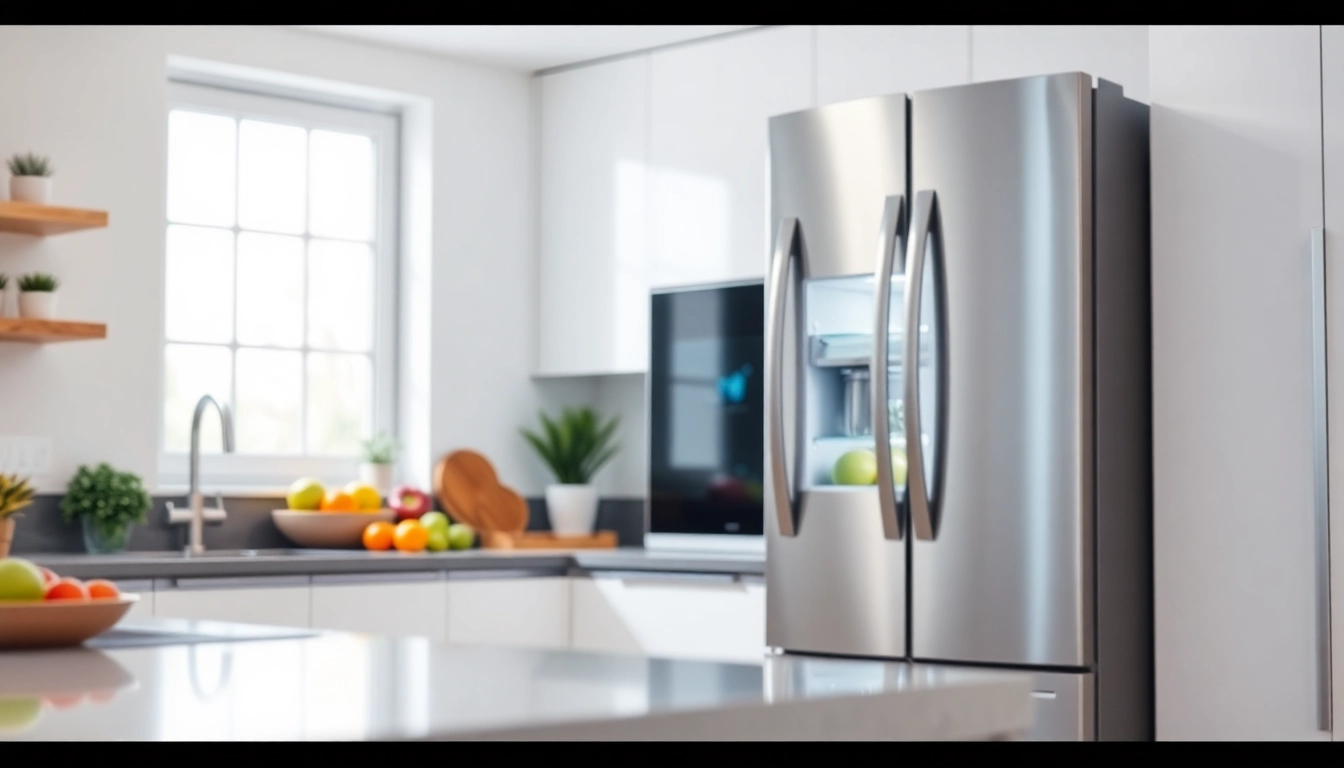
Understanding the Basics of Refrigerator Types
Choosing the right refrigerator is a pivotal decision that affects not only your kitchen aesthetics but also your food storage efficiency. This guide explores several types of refrigerators available today, aiding in understanding their unique features and benefits. Among the choices, the refrigerator can significantly enhance your cooking experience.
Top-Freezer Refrigerator: Pros and Cons
Top-freezer refrigerators are a classic choice that many households still prefer due to their simplicity and cost-effectiveness. Positioned with the freezer compartment at the top, these models generally offer a conventional refrigeration format that is familiar to most users.
- Pros:
- Usually more affordable than other models.
- More energy-efficient as the freezer is positioned higher up, reducing the distance cold air travels.
- Ample refrigerator space ideal for large items like pizza boxes or large containers.
- Cons:
- Top-freezer placement can require bending to access frequently used items.
- Limited style options compared to more modern designs.
Side-by-Side Refrigerator Features
Side-by-side refrigerators are characterized by two vertical compartments: one side for refrigeration and the other for freezing. This layout offers convenience, particularly in smaller kitchens where space is at a premium.
- Key Features:
- Ice and water dispensers are typically available on the front panel.
- Allows for easy access to frozen and refrigerated items without needing to open two doors.
- Modern designs often include smart technology integration for tracking food freshness.
French Door Refrigerator Benefits
French door refrigerators combine the convenience of a side-by-side fridge with the large capacity of a bottom freezer. The top provides wide shelves for easy access to perishable items.
- Benefits:
- Spacious interior layout allows for flexible food storage.
- Stylish design enhances kitchen aesthetics.
- Energy efficient with improved insulation and compartmentalization.
Factors to Consider When Selecting a Refrigerator
When choosing a refrigerator, one must consider several essential factors to ensure the selected appliance aligns with both practical needs and personal preferences.
Size and Space Requirements
Space availability in your kitchen is a critical factor when selecting a refrigerator. Begin by measuring the designated area, accounting for space to open the doors completely.
- Standard Sizes:
- Compact refrigerators: Typically range from 1.7 to 4.5 cubic feet, suitable for dorms or small kitchens.
- Full-sized refrigerators: Usually vary between 18 to 30 cubic feet.
Energy Efficiency Ratings Explained
Energy efficiency is vital for both environmental sustainability and utility cost savings. Look for the USDA energy efficiency star as a guideline.
- Energy Star Rating: Appliances with this label consume at least 10% less energy than non-rated models.
Style and Finish Options
Refrigerators come in various styles and colors to match kitchen aesthetics. Common choices include stainless steel, black stainless, and classic white.
- Trends:
- Stainless steel continues to be a top choice due to its sleek look and resistance to fingerprints.
- Matte finishes are gaining popularity for their minimalist, modern appeal.
How to Maintain Your Refrigerator for Longevity
Proper maintenance extends the life of your refrigerator while ensuring optimal performance. Regular checks and cleaning routines can prevent costly repairs in the future.
Regular Cleaning Tips
Keeping your refrigerator clean not only improves hygiene but also enhances efficiency. Aim for a routine cleaning schedule.
- Cleaning Steps:
- Empty the contents of the fridge and discard expired items.
- Use a mixture of warm water and vinegar to wipe down shelves and surfaces.
- Check the door seals for any leaks and clean them regularly.
Temperature Settings for Optimal Performance
Proper temperature settings are crucial for both food safety and energy efficiency. The recommended settings are:
- Refrigerator: 37°F (3°C)
- Freezer: 0°F (-18°C)
Common Repairs and Maintenance Issues
Understanding common issues that arise can save time and money. Key problems include:
- Temperature Control Issues: Check the thermostat and seals.
- Water Leakage: Inspect the drip pan and hose connections.
Top Features to Look for in a Modern Refrigerator
Modern refrigerators come equipped with an array of features designed to enhance functionality and user experience.
Smart Technology in Refrigerators
With advancements in technology, many new refrigerators now boast smart features that allow for connectivity with smartphones for monitoring and management.
- Benefits of Smart Refrigerators:
- Remote access to temperature settings and alerts.
- Inventory management features help track food expiry.
Water and Ice Dispensers: Are They Worth It?
Water and ice dispensers provide convenience, especially in busy households. Considerations include:
- Benefits:
- Always have cold water and ice readily available.
- Reduces the need for bottled water purchases.
Adjustable Shelves for Flexibility
Adaptable shelving enhances storage flexibility, allowing for items of varying heights to be stored conveniently.
- Advantages:
- Maximizes use of vertical space within the refrigerator.
- Facilitates easy cleaning and rearrangement.
Frequently Asked Questions About Refrigerators
What is the average lifespan of a refrigerator?
The average lifespan of a refrigerator is about 10 to 20 years, depending on the model and maintenance practices.
How much does a refrigerator typically cost?
The price of a refrigerator can range from $500 to over $2,500, influenced by size, features, and energy efficiency ratings.
What refrigerator size do I need for a family of four?
A refrigerator with a capacity of 20 to 25 cubic feet is typically sufficient for a family of four, allowing ample space for food storage.
Are energy-efficient refrigerators worth the investment?
Yes, energy-efficient refrigerators may have a higher upfront cost but can lead to significant savings on electricity bills over time.
How frequently should I clean my refrigerator?
Regular cleaning is recommended every three to six months to maintain hygiene and efficiency, while spills should be cleaned immediately.


