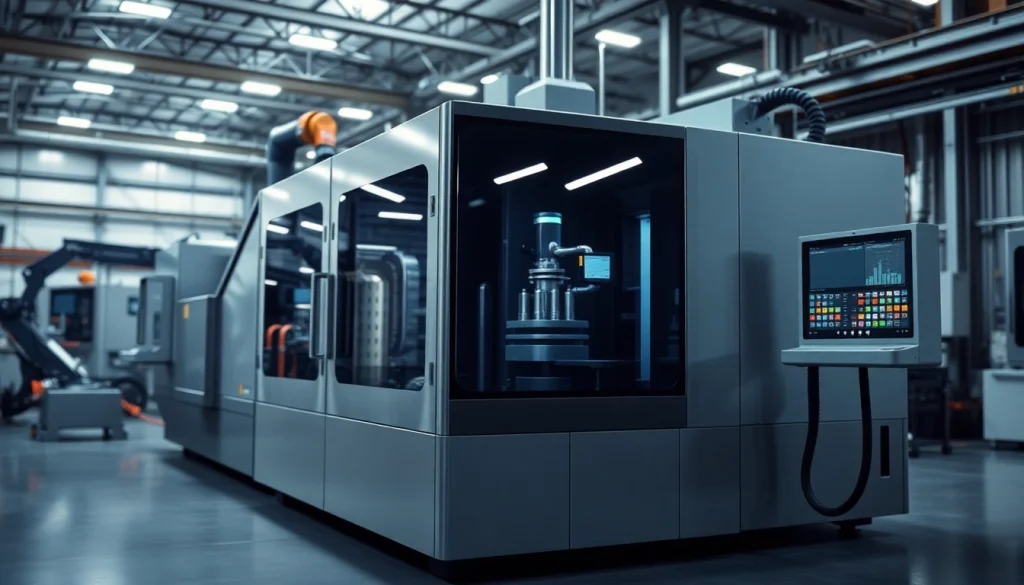
Understanding Plastic Injection Molding Machines
Plastic injection molding machines are pivotal in manufacturing a wide array of products, from everyday household items to intricate components used in various industries. These machines operate through a well-defined process that allows for the mass production of plastic parts with precision and efficiency. They come in different configurations, catering to specific production needs, which can significantly enhance productivity while minimizing waste and costs. For businesses exploring options in the injection molding sector, plastic injection molding machines offer comprehensive solutions tailored to varying requirements.
What is a Plastic Injection Molding Machine?
A plastic injection molding machine is an industrial machine designed to produce plastic parts by injecting molten plastic material into a mold. The machine consists of several key components, including an injection unit, a clamping unit, and a control system. The injection unit melts the plastic resin, while the clamping unit holds the mold in place during the injection process. After the material cools and hardens, the mold opens to release the finished product. This process is highly efficient, allowing manufacturers to produce large quantities of uniform parts with intricate designs in a short time frame.
How Injection Molding Works: A Step-by-Step Guide
- Material Feeding: Plastic pellets or granules are fed into the injection machine’s hopper.
- Melting: The material is heated in a barrel to its melting point, transforming it into a molten state.
- Injection: The molten plastic is injected into a closed mold under high pressure.
- Cooling: The material is allowed to cool and solidify within the mold, taking its shape.
- Mold Opening: Once cooled, the mold opens, and the finished product is ejected.
This process allows for the mass production of various plastic components, making it an essential consideration for industries ranging from automotive to consumer goods.
The Importance of Precision in Molding Machines
Precision is critical in the injection molding process, as it directly impacts the quality of the final product. Variances in temperature, pressure, and timing can lead to defects such as warping, short shots, or surface imperfections. Modern plastic injection molding machines come equipped with advanced control systems that provide real-time monitoring and adjustments, ensuring that each batch meets strict specifications. This heightened level of precision not only improves product quality but also reduces scrap rates and operational costs.
Key Features of Modern Plastic Injection Molding Machines
All-Electric vs. Hybrid Injection Molding Machines
The choice between all-electric and hybrid injection molding machines often depends on specific production requirements. All-electric machines offer enhanced precision and energy efficiency, as they utilize electric servos for all movements, significantly reducing energy consumption compared to hydraulic systems. They are particularly advantageous for jobs requiring high-speed cycles and intricate detail.
On the other hand, hybrid machines combine the benefits of hydraulic and electric technologies, delivering the power and speed of hydraulics with the precision and energy-saving features of electric systems. This versatility makes hybrids suitable for a wide range of applications, striking an effective balance between performance and efficiency.
Advanced Control Systems and Their Benefits
Modern injection molding machines are equipped with sophisticated control systems that allow for enhanced monitoring and automation. These systems can manage multiple parameters simultaneously, including temperature, pressure, and injection speed, ensuring consistent production quality. The integration of Industry 4.0 technologies enables real-time data collection and analytics, facilitating predictive maintenance and operational adjustments, which can significantly extend machine life and reduce downtime.
Energy Efficiency in Injection Molding Technology
Energy efficiency remains a major consideration for manufacturers. All-electric machines are typically more energy-efficient than their hydraulic counterparts, as they do not rely on hydraulic pumps, which consume a considerable amount of energy. Furthermore, advanced features such as servo drives and intelligent control technologies help minimize energy usage, leading to lower operational costs and a reduced carbon footprint.
Choosing the Right Plastic Injection Molding Machine for Your Needs
Assessing Production Volume and Requirements
When selecting a plastic injection molding machine, it is essential to assess your production volume and specific requirements. For high-volume production, machines with larger clamping forces and faster cycle times are preferable. Conversely, smaller runs may benefit from machines that offer greater flexibility and adaptability to different mold designs.
Considerations for Material Compatibility
The type of plastic materials you intend to use directly influences the choice of injection molding machine. Different materials have varying melting temperatures and flow characteristics. Ensuring compatibility between the machine and the material is crucial for maintaining production efficiency and product quality.
Budgeting for Your Injection Molding Machine Investment
Investing in a plastic injection molding machine is a significant financial commitment. Businesses must budget not only for the initial purchase but also for maintenance, operation, and potential upgrades. A comprehensive understanding of total operational costs, including energy consumption and personnel training, will help in making informed decisions.
Best Practices for Operating Plastic Injection Molding Machines
Routine Maintenance Tips for Longevity
Regular maintenance is vital for the longevity and optimal performance of plastic injection molding machines. Key practices include scheduled inspections of hydraulic systems, cleaning and lubricating moving parts, and timely replacement of worn components. Following the manufacturer’s guidelines and maintaining a detailed maintenance log can prevent unexpected breakdowns and ensure smooth operations.
Maximizing Efficiency: Setup and Calibration Techniques
Proper setup and calibration of injection molding machines can significantly enhance efficiency. Key techniques include ensuring correct barrel temperatures, optimizing injection speeds, and accurately configuring mold venting. Conducting trial runs with various settings can help identify the optimal configuration for specific products, reducing cycle times and increasing throughput.
Case Studies: Companies Excelling with Injection Molding
Many companies have successfully leveraged plastic injection molding technology to streamline production processes and improve product quality. For example, a leading automotive manufacturer implemented hybrid injection molding machines to produce complex components with reduced waste. By integrating advanced control systems, they achieved a significant reduction in cycle times while maintaining high precision.
Another case involves a consumer goods company that transitioned to all-electric machines to address sustainability goals. The shift resulted in lower energy consumption and reduced emissions, showcasing how modern technology can align industrial practices with environmental responsibility.
Future Trends in Plastic Injection Molding Technology
Innovations to Watch in 2025 and Beyond
The injection molding landscape is evolving with advancements in technology. Innovations such as artificial intelligence and machine learning are beginning to play a pivotal role in optimizing production processes, predicting maintenance needs, and enhancing quality control. These technologies promise to further automate and streamline operations, reducing human error and improving efficiency.
Integrating Automation and Robotics in Injection Molding
The integration of automation and robotics in the injection molding process is becoming increasingly prevalent. Automated systems can handle tasks such as material loading, part removal, and packaging, allowing for significant improvements in speed and accuracy. The synergy between robotics and molding machines is expected to enhance productivity while reducing labor costs, making operations more agile and responsive.
Sustainability Trends in the Injection Molding Industry
Sustainability is a significant concern for modern manufacturers, and the injection molding industry is no exception. Emerging trends include the use of biodegradable materials and recycled plastics, along with energy-efficient manufacturing processes. As environmental regulations become more stringent, businesses that prioritize sustainability in their injection molding operations will not only comply with legal standards but also appeal to eco-conscious consumers.