
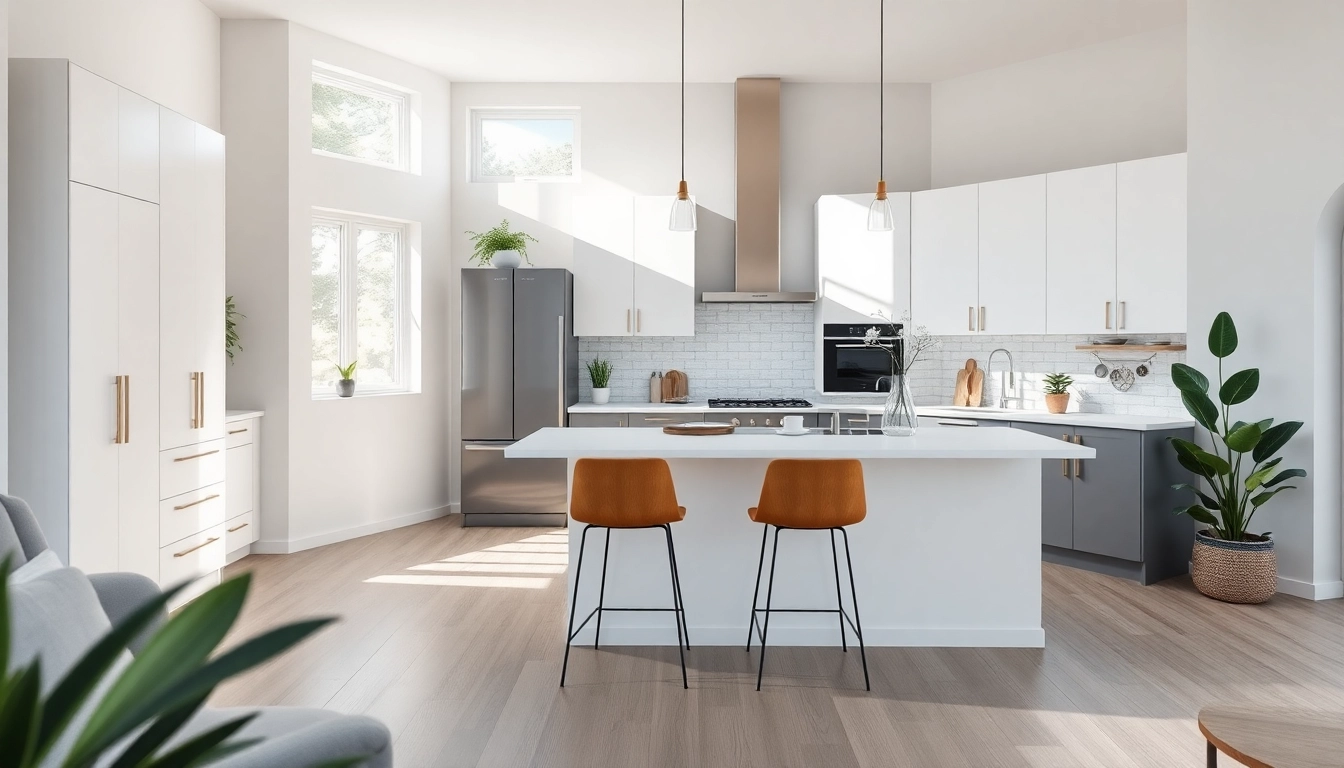
Understanding the Renovation Process
Embarking on a renovation project can transform your living space, enhancing both its aesthetic appeal and functionality. However, the journey from conceptualization to completion is intricate and multifaceted. To ensure a successful transformation, it is essential to grasp the key stages involved in the renovation process, set a realistic budget, and choose the right contractors for the job. For comprehensive insights into renovation, here’s a detailed exploration of what to expect.
Key Stages of Renovation
Understanding the renovation process entails recognizing several key stages. Each stage plays a vital role in transforming your vision into reality:
- Planning and Design: This initial stage involves identifying your renovation goals, assessing the current space, and creating a detailed design plan that includes layout adjustments, materials, and finishes.
- Budgeting: Establishing a realistic budget is crucial. Include costs for materials, labor, permits, and unexpected expenses. A detailed budget helps maintain financial control throughout the project.
- Permitting: Depending on the scope of the renovation, securing necessary permits from local authorities is essential to comply with building codes.
- Construction: This is where the physical work occurs. During this stage, communication with contractors and suppliers is critical for staying on schedule and within budget.
- Final Inspection: After construction, it’s important to inspect the work and ensure everything meets your expectations and adheres to safety standards.
Setting a Realistic Budget
One of the most daunting aspects of renovation is budgeting. To set a realistic budget, consider the following approach:
- Research Costs: Gather information on the average costs of materials and labor in your area.
- Contingency Fund: Allocate an additional 10-20% of your total budget for unexpected costs that may arise during the renovation.
- Prioritize Needs vs. Wants: Differentiate between essential upgrades and desirable features to ensure you allocate funds effectively.
Choosing the Right Contractors
The success of your renovation hinges significantly on the contractors you choose. Here are some tips for selecting the right professionals:
- Referrals and Recommendations: Ask friends or family for referrals and check online reviews to gauge a contractor’s reputation.
- Interview Multiple Candidates: Meet with several contractors to discuss your project, assess their communication skills, and understand their approach to work.
- Verify Credentials: Ensure the contractors are licensed, insured, and have relevant experience for the specific type of renovation you’re undertaking.
Popular Renovation Trends
As homeowners seek to enhance their living spaces, various trends have emerged in the renovation landscape. Keeping up with these trends can not only increase the aesthetic appeal of your home but also boost its value.
Kitchen and Bath Innovations
Innovations in kitchen and bathroom design focus on maximizing space and functionality while maintaining contemporary aesthetics. Popular features include:
- Smart Appliances: Integrating technology with kitchen appliances enhances convenience, energy efficiency, and cooking precision.
- High-End Finishes: Materials such as quartz, marble, and custom cabinetry elevate the overall design of these crucial spaces.
- Open Shelving: Replacing upper cabinets with open shelves creates a sense of openness and allows for easier access to frequently used items.
Eco-Friendly Renovation Choices
In an increasingly eco-conscious world, many homeowners are opting for sustainable renovation practices. Some eco-friendly choices include:
- Recycled Materials: Using reclaimed wood, recycled tile, or sustainable materials can minimize environmental impact.
- Energy Efficiency: Installing energy-efficient windows and appliances reduces utility costs and promotes sustainability.
- Water-Efficient Fixtures: Incorporating low-flow faucets and toilets helps conserve water and lowers bills.
Open Concept Living Spaces
Open floor plans continue to gain popularity as they create a spacious, versatile environment. This design approach fosters connectivity between rooms, making them ideal for entertaining and family interaction. Key elements of an open concept layout include:
- Integrated Living Spaces: Merging living rooms, dining areas, and kitchens promotes a seamless flow.
- Strategic Zoning: Use furniture placement and area rugs to define different zones within the open space.
- Ample Lighting: Large windows and strategically placed lighting fixtures enhance the brightness and appeal of open areas.
Planning Your Renovation
Effective planning is crucial for the success of any renovation project. A well-thought-out plan minimizes disruptions and maximizes satisfaction with the end result. Here are essential elements of successful renovation planning:
Creating a Functional Design
When designing your renovation, consider functionality alongside aesthetics. Ensure that the layout promotes ease of use and enhances the home’s flow. Getting input from professional designers can lead to optimized space usage and improved overall satisfaction.
Permits and Regulations
Before commencing any work, familiarize yourself with local building codes and regulations. Understanding what permits are necessary can prevent costly delays and legal issues. Check with your local government or a knowledgeable contractor to navigate this process effectively.
Timeline Expectations
Setting realistic timeline expectations is essential. A typical renovation project can take anywhere from a few weeks to several months, depending on the scope. Maintain regular communication with your contractors to keep the project on track and adjust expectations as needed.
Common Challenges in Renovation
Renovation projects often come with challenges. Understanding these challenges ahead of time can equip you to handle them more effectively.
Dealing with Unexpected Costs
Unforeseen expenses are common in renovation projects. To mitigate the financial impact:
- Thorough Inspections: Before starting, conduct a detailed inspection to identify potential issues.
- Flexible Budget: Having a contingency fund can buffer against unexpected costs.
Managing Delays and Disruptions
Construction delays can disrupt your daily life. To manage this aspect:
- Communicate Regularly: Keep in touch with your contractors to stay informed about the project’s status.
- Flexible Schedules: Adjust your timeline to accommodate potential delays, which are often unavoidable.
Ensuring Quality Workmanship
Quality workmanship is critical to the project’s success. To ensure high standards:
- Regular Inspections: Schedule regular visits to the site to monitor progress and quality.
- Professional Oversight: If possible, hire a project manager or experienced contractor to oversee the work.
After the Renovation
Once your renovation is complete, the focus shifts to ensuring the longevity and aesthetic appeal of your new space. Here are steps to take following your renovation:
Inspection and Final Touches
Conduct a thorough inspection of the completed work. Check for any minor issues that need correction, such as paint touch-ups, and ensure that all installations function as intended. Address any concerns promptly to ensure satisfaction.
Maintaining Your Renovated Space
To keep your renovated space in optimal condition, establish a maintenance routine. Regular cleaning, inspection of systems like plumbing and electrical, and addressing wear and tear will help prolong the life of your renovations.
Adding Personal Style
Once the renovations are complete, it’s time to infuse your personal style into the space. Consider incorporating bespoke furniture, art, and decor that reflects your personality. This final touch helps transform not just a house, but a home.
Frequently Asked Questions
What’s the first step in planning a renovation?
The first step is assessing your goals and setting a clear vision for the renovation, including budget and timelines.
How long does a typical renovation take?
The duration varies widely but typically ranges from a few weeks to several months, depending on the project’s scope.
Do I need permits for my renovation?
Generally, significant renovations require permits to comply with local building codes. Always check local regulations first.
How can I avoid going over budget?
Plan thoroughly, set a contingency fund for surprises, and maintain open communication with contractors to keep costs in check.
What should I do after the renovation is complete?
Conduct an inspection, make necessary touch-ups, implement a maintenance routine, and add personal decor to enhance the space.


